

The State of Child Care in Kansas
Nationwide, the average cost for childcare in the US has risen by over 200% since 1990 according to figures produced by the First Five Years Fund. In the same period wages have not been able to keep up resulting in widespread unaffordability within the childcare sector. In Kansas, these skyrocketing costs are coupled with a decentralized system that often fails at connecting parents with needed resources due to a lack of time needed for families to be able to effectively navigate the patchwork system in the state.
On top of the heavy costs and inefficient system, the childcare sector is simultaneously dealing with a worker shortage further damaging outcomes for children. Specifically, Kansas faces a shortage of approximately 84,000 workers with only a little over half of those positions currently ready to be staffed.
Child Start stands at the forefront of each facet of the crisis through our strong variety of programs aimed, not only at kids, but at parents and providers too. In addition to administering the Head Start and Early Head Start Programs we also work with providers through our ECC (Early Childhood Connections) program which provides the vital tools and resources necessary for success in the industry. Through this comprehensive approach we believe that we offer a unique opportunity for productive investment within the community.
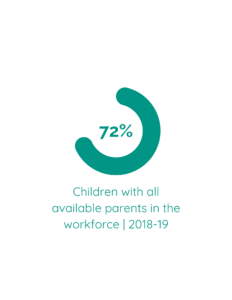
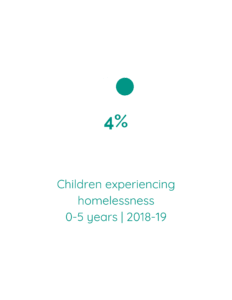
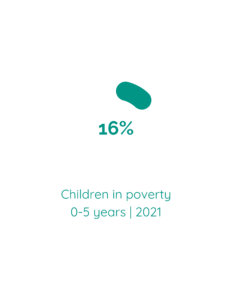
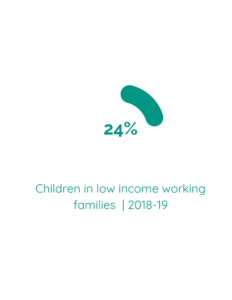
Skills gaps manifest quickly…
72%
Children of adults with low literacy skills are 72% more likely to be at a low reading level in school.
2 in 10
According to the Children’s Reading Foundation, 2 out of every 10 children enter kindergarten with skills two to three years lower than their grade level and another two start school with a one-year disadvantage.
2,153 v. 616
According to a study conducted by the Language Environment Analysis (LENA) in 2008, the number on the left represents the average words per hour that a child from a professional family hears each day. The number on the right represents the same average of a child in an economically disadvantaged family.
Housing and Childcare Costs
The combined cost of housing and childcare, especially within the first three years, now takes up an outsized portion of the average income. Depending on whether parents use family or center-based care, families making average income can expect to spend anywhere from 63-73 percent of their monthly income on housing and childcare alone.
$1,542
Median Monthly Home Payment in Kansas
source: business insider
$1060.94
Average Monthly Cost of Center Based Early Care (0-3)
source: Child Care Aware of Kansas
$691.30
Average Monthly Cost of Family Based Early Care (0-3)
source: Child Care Aware of Kansas
$3,520.08
Average Monthly Income for Sedgwick County resident based on 2022 OEWS data.
Making Change through Dynamic Programming
Early Head Start
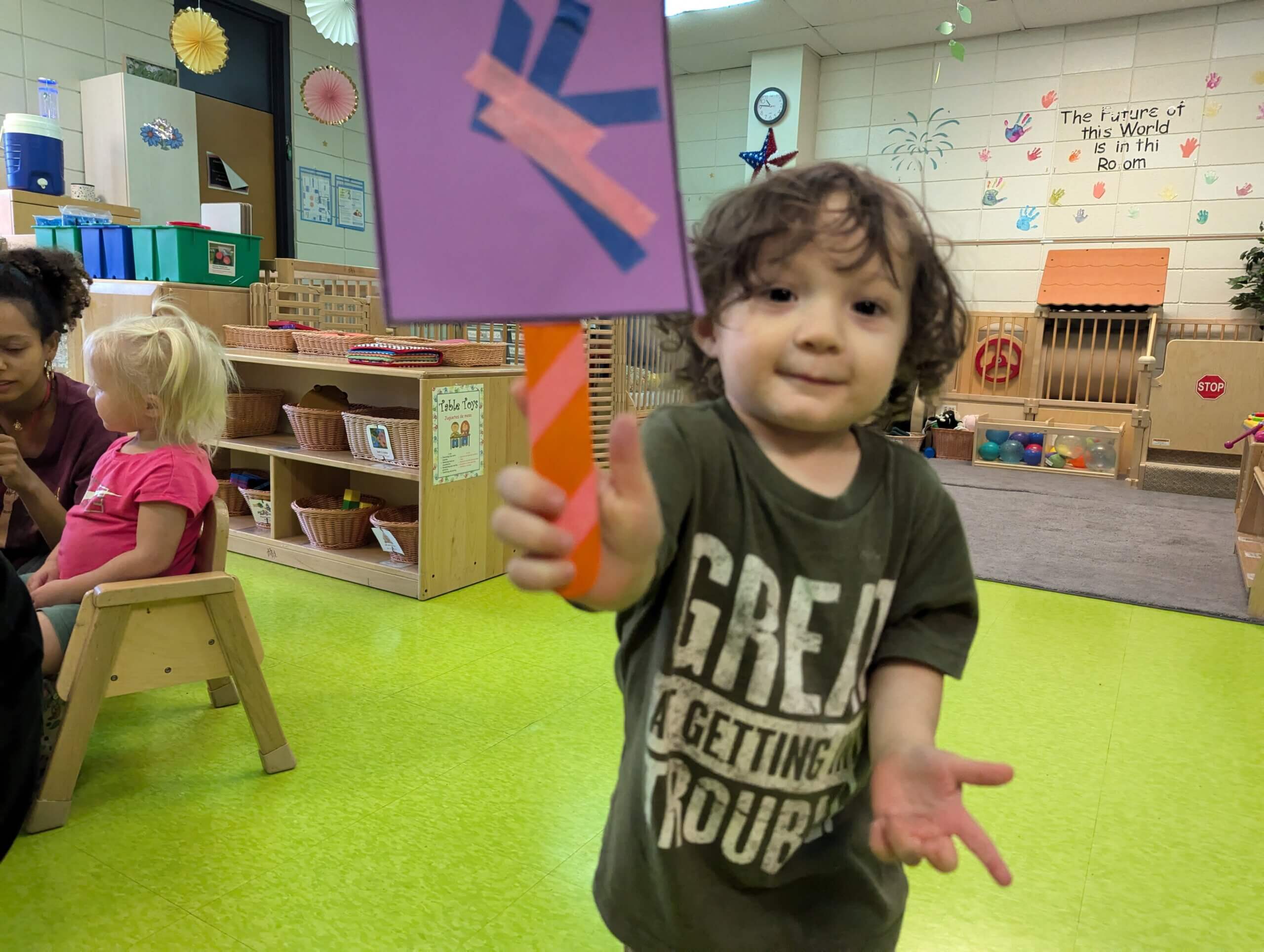
Our Early Head Start program provides valuable services including health, nutrition, and dental services, home visiting, parental education and involvement in activities with kids, child behavior and developmental screenings, educational and fun activities as well as access to our vast network of providers and partners within the community.
Head Start
Our Head Start program works in tandem with Early Head Start to help build continuity in care and education as well as stability. Over the years we have been proud to be able to help our community thrive by providing such essential services for no cost to vulnerable families.

Early Childhood Connections
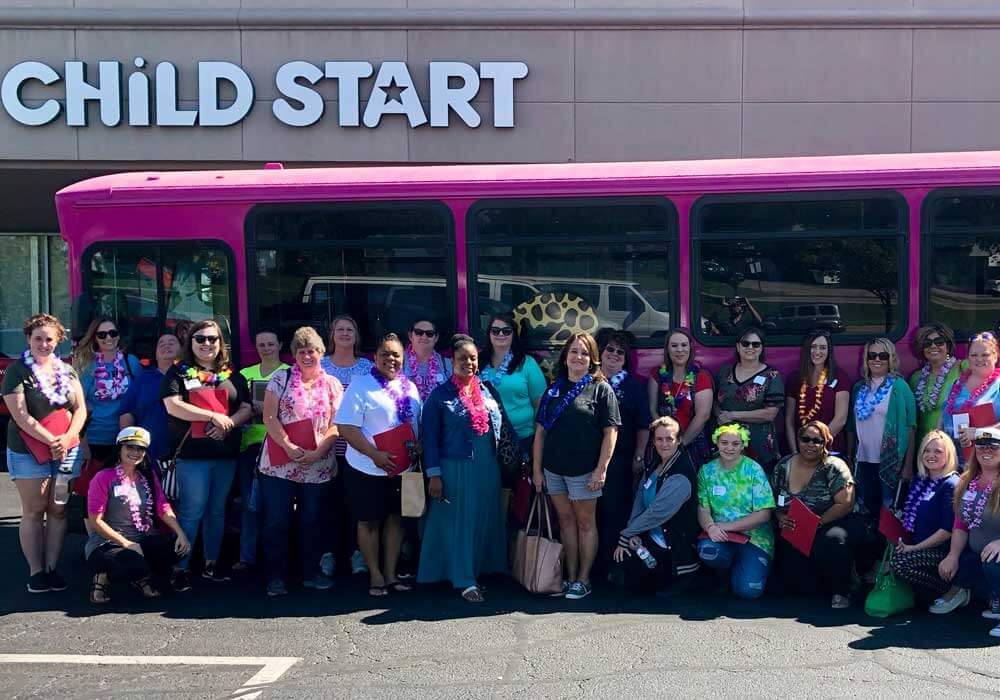
Early Childhood Connections is an integral part of our mission to help train the next generation of childcare professionals. Through a combination of virtual and in-person trainings we impact more than 65% of children under age 5 in Kansas.
The Evidence
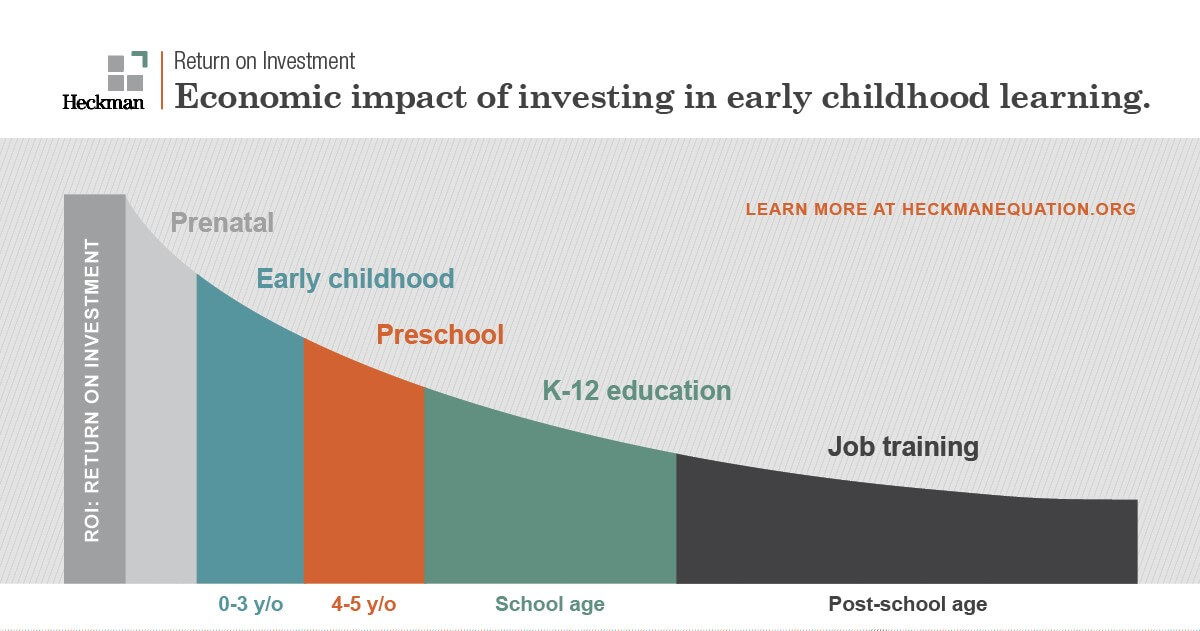
According to studies conducted by Dr. James Heckman of the Chicago School of Economics, early childhood programs have shown exceptional promise in terms of acting as a proactive measure in the community. By working with children at such an early age, professionals can help children develop social skills that are integral into developing into mature and productive members of our community.
Mitigating Adverse Experiences
Studies have shown that ages 0-5 are critical in the overall development of children. From age 0-3, every second the average child’s brain forms over one million new neural pathways. This unique development window sets the stage for future success, but adverse early experiences can have an equally strong chilling effect on development. That is why at Child Start we work with families to make sure that a solid community infrastructure is in place to help foster the development process throughout this period. At both Early Head Start and Head Start we work with a team of medical and educational professionals to create positive environments to help children develop all the skills necessary for future success.
Improving Care in the Community
The childcare shortage in the state of Kansas has had wide reaching effects. According to the report by the governors task force “the educator pipeline is broken” which has resulted in inconsistent credentialling and varying quality in care dependent on the type of training received. It also found that support systems for industry professionals are “generally siloed, inequitable, and driven by a mix of state and federal regulations.” Much like parents, providers are also tasked with navigating a complicated system which can act as an obstacle to involvement within the industry thus compounding the shortage. At Child Start, we work with providers to not only provide training but help them navigate the industry.